This Is What Happens When You Chase Sunrise at Mount Cook
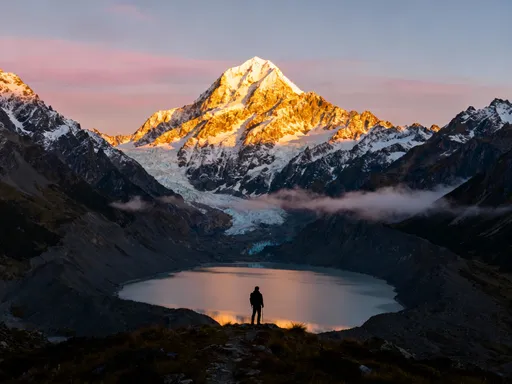
You know that feeling when you wake up in the dark, heart pounding, not from fear—but pure excitement? That was me, hiking toward Mount Cook at 4 a.m., headlamp cutting through the cold. I’d heard the views were stunning, but nothing prepares you for the first glow of alpenglow on Aoraki’s peak. This isn’t just a mountain; it’s a living landscape of ice, sky, and silence so deep it hums. If you’re chasing moments that reset your soul, this is one. In a world of constant noise and motion, places like Aoraki – Mount Cook offer rare stillness, where the rhythm of nature slows your breath and clears your mind. This journey is not about conquering heights, but about surrendering to awe. It’s about stepping into a realm where light dances on snow, glaciers creak like ancient voices, and the horizon feels infinite. For women who seek meaning in travel—beyond checklists and selfies—this is a pilgrimage of presence.
The Call of Aoraki – Why Mount Cook Pulls You In
Aoraki, known also as Mount Cook, stands as the highest peak in New Zealand, rising to 3,724 meters above sea level in the heart of the Southern Alps. Located within Aoraki / Mount Cook National Park, a UNESCO World Heritage Site, this majestic mountain has long held a sacred place in the traditions of the Ngāi Tahu people, the region’s Māori iwi. To them, Aoraki is not merely a geological formation; it is an ancestor, a spiritual presence born from the waka (canoe) of the sky father’s sons, who drifted too close to earth and froze into stone and ice. This deep cultural reverence adds a quiet solemnity to every visit, reminding travelers that they walk on land shaped by both time and story.
The sense of remoteness here is immediate and profound. The road into Mount Cook Village winds through vast tussock plains and glacial valleys, with no major towns for over two hours in any direction. There are no billboards, no chain stores—just open skies and the ever-present silhouette of the peaks. This isolation is part of the draw. Unlike more accessible alpine destinations, Aoraki does not cater to mass tourism. It demands effort, respect, and preparation. The weather shifts rapidly, with storms rolling in without warning, and the air thins at altitude, requiring even the fittest hikers to slow their pace. Yet, it is precisely this rawness that makes the experience so powerful. There is no artifice here—only wind, rock, ice, and sky.
What sets Aoraki apart from other mountain destinations is its dynamic beauty. The mountain is not static. It is shaped daily by glacial movement, snowfall, and erosion. The Tasman Glacier, which snakes down from the peak, is one of the longest in the Southern Hemisphere, and its surface is a mosaic of crevasses, ice caves, and moraines that change with each season. The interplay of light and shadow across the range is mesmerizing—dawn paints the summit in rose gold, while dusk casts deep blue shadows across the valleys. For women who appreciate depth in their travel experiences, Aoraki offers more than scenery. It offers transformation. Standing before such scale and stillness, one cannot help but feel both small and connected—humbled by nature’s grandeur, yet deeply alive.
Choosing the Right Moment – Timing Your Visit for Maximum Impact
Timing is everything when planning a journey to Aoraki. The ideal window for most visitors is between November and April, which spans late spring through early autumn in the Southern Hemisphere. During these months, the weather is generally more stable, daylight lasts up to 16 hours, and the higher trails become accessible as snow melts. December and January are the most popular, but they also bring the largest crowds. For those seeking solitude, visiting in the shoulder seasons—November or March to early April—offers a sweet spot: milder conditions, fewer people, and the same breathtaking views.
Weather remains the most unpredictable factor. The mountain creates its own climate, drawing in moisture from the Tasman Sea and releasing sudden squalls. Yet, these storms often lead to the most dramatic visual rewards. A clear morning following a night of rain or snow can produce crystal-clear air and intense alpenglow at sunrise. The contrast between dark storm clouds retreating and golden light hitting the peak is unforgettable. Many seasoned visitors plan their itineraries around weather windows, checking forecasts daily and remaining flexible. Apps like MetService and Mountain Forecast provide reliable updates, and park rangers at the Department of Conservation (DOC) visitor center offer real-time trail advice.
To avoid crowds, consider hiking on weekdays rather than weekends, and always start early. Most day-trippers arrive after 9 a.m., so being on the trail by 6 a.m. or earlier ensures quiet paths and undisturbed views. Sunrise hikes, though requiring an early wake-up, are especially rewarding. The silence of the alpine morning, broken only by the distant crack of glacial ice or the call of a kea, creates a meditative atmosphere unmatched at any other time of day. Additionally, the Aoraki Dark Sky Reserve, one of the largest in the world, makes this region exceptional for stargazing. On clear nights, the Milky Way arcs overhead with startling clarity, linking the experience of day and night into a continuous celebration of natural wonder.
Tackling the Key Trails – Where to Go for Unforgettable Views
No visit to Aoraki is complete without walking the Hooker Valley Track, a 10-kilometer return trail that delivers some of the most accessible and iconic views in the park. The path begins at the White Horse Hill car park and unfolds like a story, with each chapter revealing a new wonder. Boardwalks glide over damp river flats, swing bridges sway gently above glacial streams, and every turn offers a fresh perspective of Aoraki towering in the distance. The final stretch leads to the Hooker Lake, where icebergs calve from the terminal face of the glacier and float in milky turquoise water. On still mornings, the mountain’s reflection appears perfectly mirrored on the lake’s surface—an image so serene it feels sacred.
For those seeking less crowded paths, the Kea Point Track and Sealy Tarns Track offer equally powerful experiences with more solitude. Kea Point, a 2.8-kilometer return walk, climbs gently through alpine scrub to a flat area with unobstructed views of Aoraki and the Mueller Glacier. It is an ideal spot for sunrise photography or a quiet moment of reflection. The Sealy Tarns Track, while more strenuous, rewards effort with panoramic vistas. The trail ascends over 1,200 steps carved into the hillside, winding past waterfalls and alpine meadows before opening onto a series of high-altitude lakes. From here, the entire Hooker Valley unfolds below, with Aoraki rising like a sentinel in the background. Both trails are best attempted on clear days, as visibility drops quickly in fog or rain.
Accessibility varies across the park. The Hooker Valley Track is suitable for families and casual walkers, with even young children able to complete it with breaks. However, other routes like the Mueller Hut approach or the Copland Track require advanced preparation, proper gear, and a higher fitness level. It is essential to assess your ability honestly and check trail conditions before setting out. The DOC provides detailed brochures and online updates, and ranger-led walks are available during peak season. Along the way, hikers often encounter kea, the world’s only alpine parrot, known for its intelligence and curiosity. These green-feathered birds sometimes investigate backpacks or cameras, reminding visitors that they are guests in a wild ecosystem. The scent of mountain thyme and the crispness of glacial air further deepen the sensory experience, making every step feel alive.
Chasing Light – Sunrise and Sunset Like Nowhere Else
There is a magic in arriving at a viewpoint before dawn, when the world is still wrapped in indigo and the first stars fade into the sky. One of the most powerful experiences in Aoraki is watching sunrise from a vantage point like the Plateau Hut approach or the shores of Mueller Lake. The hike begins in darkness, headlamp beams cutting through the cold air, footsteps crunching on frost-covered gravel. As the sky lightens, subtle shifts begin—shadows deepen, contours sharpen, and the peak slowly emerges from the night. Then, in a moment that feels almost sacred, the first rays of sunlight strike the summit. The snow ignites in alpenglow, turning from silver to rose, then gold, as if the mountain itself is breathing fire.
This transformation unfolds minute by minute, a slow reveal that demands patience and presence. The light does not flood the landscape all at once; it creeps down the slopes, revealing crevasses, ridges, and icefalls in dramatic relief. The air, still and crisp, carries every sound—the distant rumble of a calving glacier, the whisper of wind through tussock grass, the soft click of a camera shutter. It is a moment of deep stillness, where time seems to pause and the soul catches up with the body. Many women who visit Aoraki describe this experience as emotional, even spiritual. There is something about witnessing the birth of a new day in such a pristine place that feels like a reset—a chance to begin again.
To make the most of this moment, preparation is key. Dressing in layers is essential, as temperatures can drop below freezing even in summer. A thermal base layer, insulating mid-layer, windproof outer shell, gloves, and a warm hat are non-negotiable. Using a headlamp with a red-light mode preserves night vision and minimizes disturbance to wildlife and other hikers. Bringing a thermos of hot coffee or tea adds comfort and ritual to the wait. Tripods are recommended for photographers, but even without a camera, the experience is worth every shiver. The quality of light here is unmatched—thanks to the clean, unpolluted air and the high contrast between snow and sky, colors appear more vivid, shadows more defined. It is not just a visual spectacle; it is a full-body immersion in beauty.
Staying Grounded – Accommodations That Enhance the Experience
Choosing where to stay can profoundly shape your experience of Aoraki. Mount Cook Village, nestled at the edge of the national park, offers the most convenient base for visitors. The Hermitage Hotel, the largest accommodation in the area, combines comfort with alpine charm. Its rooms are warm and well-insulated, with large windows facing the mountain. The on-site restaurant serves hearty, locally sourced meals, and theDOC visitor center is just steps away. The Hermitage also hosts nightly stargazing programs, where astronomers guide guests through the southern constellations using powerful telescopes—an ideal way to end a full day of exploration.
For a more immersive experience, alpine huts like Mueller Hut or Plateau Hut offer an unforgettable overnight adventure. These basic but functional shelters require booking well in advance and a moderate to high level of fitness to reach. Mueller Hut, perched at 1,800 meters, is accessible via the Sealy Tarns and Red Tarns trails and offers bunk beds, cooking facilities, and panoramic views. Waking up in the hut to sunrise over Aoraki is a privilege few forget. Campgrounds are also available at White Horse Hill, with serviced and non-serviced sites. These are ideal for families or those who enjoy the ritual of camping, though they require preparation for cold nights and limited facilities.
Staying close to the park allows for early access to trails, crucial for sunrise hikes and avoiding crowds. It also deepens the sense of connection to the landscape. Without the need to commute from distant towns, travelers can linger longer, return to favorite spots at different times of day, and fully absorb the rhythm of the mountain. When packing, consider essentials: warm clothing, a reliable sleeping bag (especially for huts), a headlamp, snacks, and a journal. Many women find that writing down their thoughts at the end of the day helps process the emotional impact of the journey. The combination of physical effort, natural beauty, and quiet reflection creates a rare kind of fulfillment—one that lingers long after the trip ends.
Beyond the Viewfinder – Immersive Ways to Connect with the Landscape
While hiking and photography are central to the Aoraki experience, the true depth of the place reveals itself in slower, quieter moments. Stargazing tours, led by local experts, open a new dimension of wonder. Under the Aoraki Dark Sky Reserve, light pollution is nearly zero, allowing for unparalleled views of the Milky Way, the Southern Cross, and the Magellanic Clouds. These guided sessions often include storytelling, blending science with Māori star lore, such as the legend of Māui slowing the sun to lengthen the day. For women who value both knowledge and beauty, these evenings are deeply enriching.
Guided geological walks offer another layer of understanding. DOC rangers and local naturalists explain how the Southern Alps were formed by tectonic collision, how glaciers carve valleys, and how climate change is affecting ice levels. These talks transform the landscape from a backdrop into a living story. Observing the retreat of the Tasman Glacier over recent decades is a sobering but important lesson in environmental change. Yet, rather than despair, many visitors feel a renewed sense of responsibility and connection.
Perhaps the most powerful practice is simply sitting in stillness. Find a rock by the river, a bench at Kea Point, or a patch of tussock grass and stay for 20 minutes without moving. Listen. Watch. Breathe. In that silence, details emerge: the pattern of lichen on a boulder, the call of a rock wren, the slow drift of clouds across the peak. These are the moments that shift perspective. They remind us that travel is not just about seeing new places, but about seeing ourselves anew. Journaling, sketching, or meditating in these spaces can deepen the experience, creating personal meaning beyond the photo album.
Leaving No Trace – Respecting the Mountain’s Fragility
Aoraki is not just a destination; it is a responsibility. As one of New Zealand’s most treasured landscapes, it faces growing pressure from tourism, climate change, and human impact. The principle of “Leave No Trace” is not a suggestion—it is a commitment every visitor must honor. This means staying on marked trails to prevent erosion, packing out all waste (including food scraps and tissues), and avoiding shortcuts that damage fragile alpine vegetation. It means not feeding wildlife, keeping noise levels low, and respecting closures designed to protect nesting birds or recovering ecosystems.
The dual status of Aoraki as both a national park and a sacred site adds moral weight to these actions. For the Ngāi Tahu people, the mountain is a living ancestor, and every footstep carries significance. Visitors are not owners, but guests. This mindset shift—from taking to receiving, from consuming to conserving—is essential. Simple acts, like choosing reusable water bottles, carrying a small trash bag, or volunteering for a trail cleanup, become acts of respect.
Ultimately, the power of Aoraki lies in its ability to inspire care. Those who stand before its beauty often leave with a quiet vow: to protect such places, to teach others, to travel more thoughtfully. By acting as guardians, not just tourists, we ensure that future generations—our daughters, granddaughters, and all who come after—can wake in the dark, heart pounding with excitement, and hike toward the mountain to greet the dawn. In that moment, the cycle of awe continues, unbroken.