Wander Where the City Breathes: Montevideo’s Public Soul Unfolded by Car
Driving through Montevideo isn’t just about getting from point A to B—it’s about feeling the rhythm of open plazas, coastal promenades, and neighborhood parks that define Uruguayan life. I discovered how public spaces come alive when explored at your own pace, windows down, music low, and curiosity high. This is urban travel reimagined: personal, immersive, and deeply connected. Unlike larger metropolises where congestion and chaos dominate, Montevideo moves with a gentle pulse, one best felt behind the wheel of a rented sedan or compact SUV. The city invites you not to rush, but to pause—to pull over near a seaside bench at golden hour or linger in a shaded plaza where children laugh and elders play dominoes. With its compact layout, low traffic density, and deeply rooted culture of public gathering, Montevideo offers a rare urban experience: a capital city that feels like a close-knit community. Exploring it by car does not distance you from authenticity; instead, it enhances access, comfort, and spontaneity, allowing you to witness the soul of Uruguay unfold block by block, view by view.
The Freedom of Self-Driving in Montevideo
Montevideo rewards those who choose to drive themselves with a sense of autonomy rarely found in other capital cities. Public transportation exists, but it operates on fixed routes and timetables that can limit exploration, especially for visitors unfamiliar with Spanish signage or local transit norms. Taxis and ride-sharing services are available, yet they often lack the flexibility to stop for unplanned moments—a sudden street performance, an inviting café tucked between colonial buildings, or a panoramic overlook with no formal parking. When you have your own car, these pauses become not just possible but natural. The city’s manageable size—only about 20 kilometers from north to south and 15 from east to west—makes navigation intuitive, even for first-time visitors. Major roads are well-paved, clearly marked with bilingual signage in Spanish and sometimes English, and traffic flows smoothly outside of weekday rush hours.
Renting a car in Montevideo is a straightforward process. International agencies such as Hertz, Avis, and Europcar maintain desks at Carrasco International Airport, just 18 kilometers east of the city center, allowing travelers to begin their journey immediately upon arrival. Requirements are standard: a valid driver’s license from your home country (an International Driving Permit is recommended if your license is not in Spanish or English), a credit card for the security deposit, and proof of insurance. No special permits are needed for driving within city limits, and speed limits are strictly enforced, contributing to a safe and predictable driving environment. Fuel stations are frequent, often attached to convenience stores, and operate on a self-service model with attendants available for assistance. Diesel and unleaded gasoline are both widely available, and prices remain stable compared to other South American capitals.
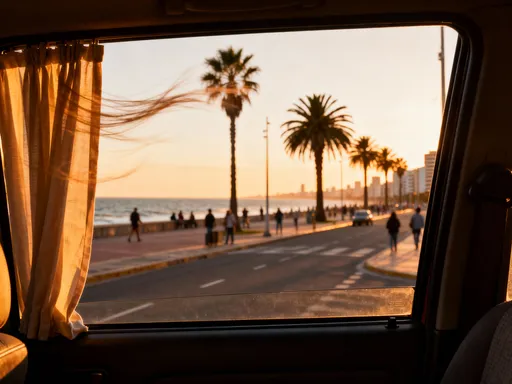
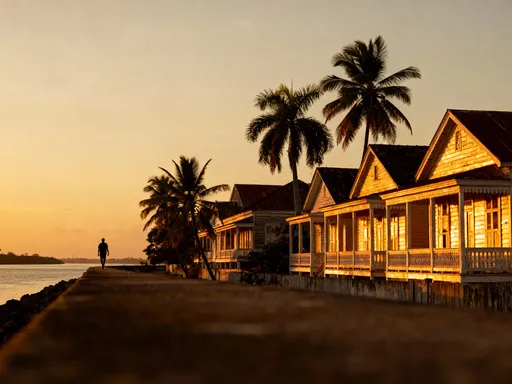
What truly sets self-driving apart in Montevideo is the freedom to respond to the city’s rhythm. Imagine driving along Avenida 18 de Julio, the city’s main thoroughfare, and spotting a local artisan selling handwoven textiles on the sidewalk. With your own vehicle, you can circle the block, find a legal parking spot, and return without worrying about missed connections or time constraints. Or picture yourself approaching the Bay of Montevideo at dusk, the water shimmering in shades of rose and gold. You can pull over at one of the many scenic viewpoints along the Rambla, step out, and breathe in the sea air without being rushed. This kind of spontaneous engagement is central to the Montevideo experience—and it is only fully accessible when you control the pace of your journey.
Ciudad Vieja: Where History Meets Public Life
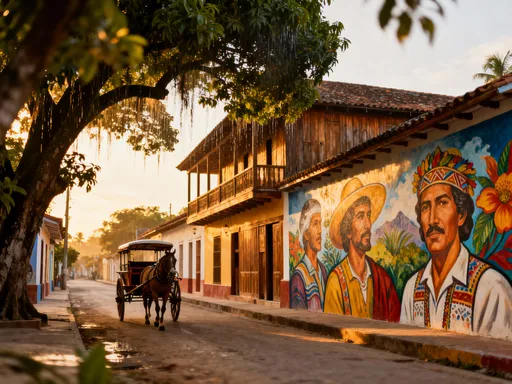
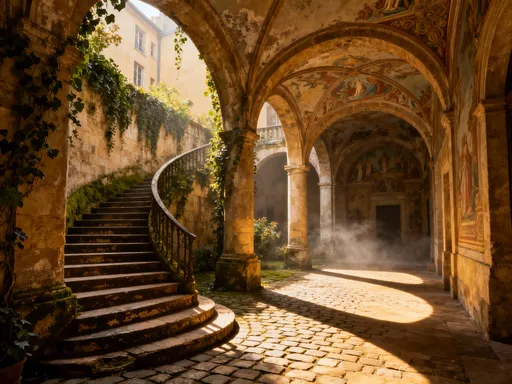
The historic heart of Montevideo, Ciudad Vieja, is a district where centuries of culture converge in cobblestone alleys, colonial façades, and bustling public squares. While many travelers choose to explore it entirely on foot, arriving by car offers a strategic advantage: the ability to park just outside its perimeter and enter with energy, focus, and freedom. The neighborhood is compact but rich in detail—every corner reveals a mural, a boutique gallery, or a centuries-old church. Walking the entire area without breaks can be tiring, especially during the warmer months. By driving to a nearby garage or metered spot, visitors preserve their stamina for deeper exploration while also having a secure place to return to with purchases or personal items.
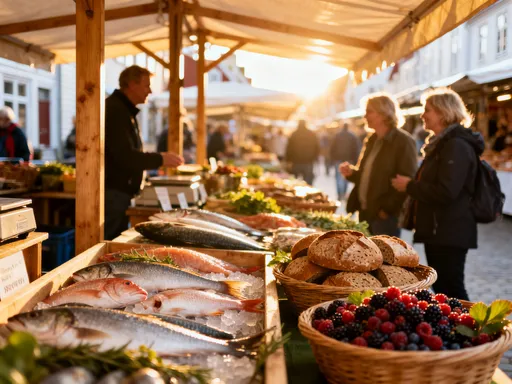
At the center of Ciudad Vieja lies Plaza Matriz, officially known as Plaza Constitución, a tree-lined square that functions as a living room for locals. Surrounded by historic buildings—including the Metropolitan Cathedral and the Cabildo, once the seat of colonial government—the plaza hums with quiet activity throughout the day. Elderly men gather for chess matches under the shade of palm trees, children chase pigeons, and couples sip coffee at sidewalk tables. The atmosphere is unhurried, reflective of Uruguay’s broader cultural emphasis on *atardecer*—the art of slowing down to enjoy the late afternoon. Nearby, pedestrian-only zones like Calle Sarandí transform into open-air marketplaces in the evenings, where artisans sell leather goods, silver jewelry, and traditional mate gourds. These areas are best approached on foot, but having a car parked nearby ensures comfort and convenience.
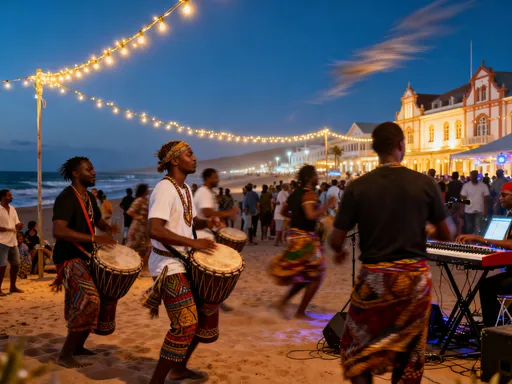
What makes Ciudad Vieja special is not just its architecture but its integration into daily life. Public space here is not preserved behind velvet ropes or admission gates; it is lived in, used, and cherished. Open-air art installations appear seasonally, often interactive or community-driven. Buskers play folk music on weekends, and local festivals regularly transform the streets into stages for dance, food, and celebration. By arriving via car, travelers gain the flexibility to attend events that might otherwise be difficult to reach by foot or public transit, especially if traveling with children or limited mobility. Moreover, parking near access points allows for repeated visits—perhaps an early morning coffee in the plaza, a midday museum stop, and a late-afternoon return to enjoy live music. This layered engagement is only possible with personal mobility, reinforcing the idea that driving in Montevideo is not a barrier to authenticity, but a bridge to deeper connection.
Rambla Montevideo: A Coastal Spine Like No Other
If Montevideo has a soul, it breathes along the Rambla—a sweeping coastal avenue that stretches over 22 kilometers from the port area in the north to the upscale neighborhood of Punta Gorda in the south. More than just a road, the Rambla is a continuous public corridor where residents jog, cycle, walk dogs, practice yoga, and gather at sunset. Driving along it offers a cinematic perspective on the city’s relationship with the Río de la Plata, the wide estuary that separates Uruguay from Argentina. Unlike oceanfront boulevards in other cities that prioritize vehicles, the Rambla is designed for people first, with a dedicated bike lane, wide pedestrian paths, and frequent access points to the water’s edge. Yet, driving sections of it allows visitors to appreciate its full scale and variety, experiencing how each neighborhood interprets the shoreline in its own way.
One of the most popular stretches is Playa Pocitos, named after the small beach nestled between high-rise apartments and lush greenery. During summer, the area buzzes with activity—families spread towels on the sand, vendors sell *churros* and fresh coconut water, and young people play beach volleyball. Parking along the Rambla here is limited but available in municipal lots and garages nearby. The best times to visit are early morning or late afternoon, when the light is soft and the crowds thinner. Further south, Punta Carretas offers a more polished vibe, with upscale cafés, outdoor fitness stations, and a scenic lighthouse. The transformation from one zone to the next is subtle but distinct, reflecting the socioeconomic and cultural diversity of the city.
For travelers, the Rambla serves as both a destination and a route. You can drive from one end to the other, stopping at designated viewpoints to stretch your legs or take photos. Many of these pull-offs include benches, informational plaques, and even outdoor showers for beachgoers. Some sections feature public art—sculptures, mosaics, or painted murals—that celebrate Uruguayan identity and history. Along the way, you’ll notice how seamlessly the city blends recreation with urban infrastructure. Benches are plentiful, trash bins are regularly emptied, and lighting ensures safety at night. These details reflect a deep civic pride and long-term investment in public well-being. By driving the Rambla, you don’t just see these spaces—you understand their function, their rhythm, and their importance to daily life in Montevideo.
Parque Rodó: Leisure, Culture, and Local Pulse
Spanning over 17 hectares along the western edge of the city, Parque Rodó is one of Montevideo’s most beloved green spaces, offering a dynamic mix of recreation, culture, and community life. Unlike formal European-style gardens that emphasize symmetry and quiet contemplation, Parque Rodó pulses with energy. Children shriek with delight on the vintage carousel, teenagers skate along paved paths, and couples stroll past flowerbeds and fountains. At its heart is a small amusement park with rides ranging from gentle carousels to more thrilling attractions, making it a favorite destination for families. But the park’s appeal extends far beyond entertainment. It hosts an open-air craft market every Sunday, where local artisans sell handmade goods, from embroidered textiles to ceramic pottery. Food stalls offer traditional snacks like *empanadas*, *chivitos* (Uruguay’s famous steak sandwich), and *alfajores*, the caramel-filled cookies that are a national favorite.
Arriving by car enhances the experience significantly. The park has multiple entry points with nearby parking options, including metered street spots and private lots that charge a modest fee. Having your own vehicle means you can bring picnic supplies, folding chairs, or even bicycles to explore the park’s extensive pathways. It also allows you to leave with souvenirs or fresh produce from the market without worrying about carrying everything on foot or relying on public transit. For visitors staying in rental apartments or vacation homes, driving to Parque Rodó makes it easy to turn a half-day outing into a full family experience—arriving early to claim a shaded bench, spending hours in the park, and departing at your own pace.
But Parque Rodó is more than just a weekend escape. It reflects Montevideo’s commitment to accessible, inclusive public space. The park is free to enter, well-maintained, and safe, with park rangers and security personnel visible throughout the day. Its riverside location along the Río de la Plata offers cooling breezes and scenic views, while the surrounding neighborhood provides additional amenities—bookstores, ice cream parlors, and casual eateries. Cultural events are frequent, including open-air concerts, theater performances, and film screenings during the summer months. These activities are deeply embedded in local life, drawing residents from all walks of life. By visiting Parque Rodó with the flexibility of a car, travelers gain insight into how public spaces function as social equalizers—places where age, class, and background fade in the shared enjoyment of leisure and beauty.
Beyond the Center: Neighborhood Plazas and Hidden Green Spaces
While the city center and waterfront draw most visitors, some of Montevideo’s most authentic public spaces lie in its residential neighborhoods. Areas like Pocitos, Buceo, Sayago, and Tres Cruces are home to small plazas and green zones that may not appear on tourist maps but are cherished by locals. These spaces are not designed for spectacle or photo ops; they exist for daily use—children playing, neighbors chatting, dogs running freely. Driving through these neighborhoods allows travelers to witness urban life as it unfolds naturally, without the performative aspects often present in heavily touristed areas. You might pass a group of seniors practicing tai chi in a quiet square, or stumble upon a neighborhood festival with live music and grilled meats sizzling on portable grills.
Take Plaza José Enrique Rodó in Pocitos, for example. Nestled between tree-lined avenues and low-rise apartment buildings, it offers shaded benches, a small playground, and a central fountain. On any given afternoon, it’s common to see parents pushing strollers, students reading under umbrellas, or couples sharing a thermos of mate. The plaza is not grand or ornate, but it is deeply functional—a living room for the community. Similarly, in Buceo, Plaza Artigas provides a peaceful retreat near the coast, with ocean breezes and views of sailboats in the distance. These spaces are rarely crowded with tourists, yet they are integral to the quality of life in Montevideo. They reflect a national value: that well-being is not measured solely by economic growth, but by access to safe, beautiful, and shared environments.
Exploring these areas by car allows for a more comprehensive understanding of the city’s fabric. You can drive from one neighborhood to another, comparing how each interprets public space. Some plazas feature public art, others host weekly farmers’ markets, and a few include outdoor fitness equipment for adults. These variations reveal local priorities and community identity. Importantly, driving does not mean staying inside the vehicle. The goal is to use the car as a tool for access—parking nearby, stepping out, and immersing yourself in the moment. This hybrid approach—driving to discover, walking to connect—maximizes both efficiency and intimacy, offering a balanced way to experience a city that values slowness, presence, and human connection.
Practical Tips for Driving and Parking Near Public Areas
While self-driving in Montevideo is generally easy, understanding local parking rules is essential to avoid fines or towing. The city uses a color-coded street marking system to indicate parking regulations. Blue lines mean paid parking, usually enforced from 9 a.m. to 8 p.m., with rates averaging $1–2 USD per hour. Payment can be made via mobile apps such as *Movi* or *Parquímetro*, which are widely used and available in English. Green lines indicate free parking with time limits, often 1–2 hours, while white lines mean unrestricted parking. Red zones are strictly no-parking areas, typically near intersections or bus stops. Violating these rules can result in fines or vehicle removal, so it’s important to observe signage carefully.
Many public spaces, especially in Ciudad Vieja and along the Rambla, have limited street parking. During weekends or festivals, spots fill quickly, so arriving early is advisable. Larger parks like Parque Rodó and Prado offer municipal parking lots that charge a small flat fee, often payable by card or app. Shopping centers and commercial areas also provide free parking for customers, which can be a strategic option if you plan to combine errands with sightseeing. For longer visits, consider using park-and-ride strategies—park in a secure lot and walk or bike into crowded areas. Some hotels and rentals include private parking, which can be a major advantage during peak seasons.
Additionally, be aware of temporary restrictions. The city occasionally closes certain streets for public events, marathons, or holiday celebrations. Local news and traffic apps provide real-time updates, and GPS navigation systems like Google Maps usually reroute accordingly. Fuel stations are open late, and many operate 24/7, but it’s wise to refill during daylight hours, especially if driving in unfamiliar areas. Lastly, always lock your vehicle and avoid leaving valuables visible, though Montevideo is considered one of the safest capitals in Latin America. With a little preparation, driving in the city becomes not just convenient, but a seamless part of the travel experience.
Why Public Spaces Define Montevideo’s Urban Identity
Montevideo does not impress with grand monuments or towering skyscrapers. Its beauty lies in accessibility, greenery, and human-scale design. The city’s public spaces are not afterthoughts or decorative additions—they are the foundation of urban life. From the Rambla’s sweeping coastline to the quiet plazas of residential barrios, these areas are where Montevideanos gather, relax, and connect. They reflect a national ethos that prioritizes well-being, equality, and community. By exploring them at your own pace, behind the wheel of a rented car, you gain a deeper understanding of what makes the city unique. You see not just sights, but rhythms—how people move, interact, and inhabit space.
Driving enhances this understanding by removing barriers. It allows you to cover more ground, respond to spontaneity, and travel comfortably with family or gear. But more than that, it shifts your perspective. You begin to notice how seamlessly parks, plazas, and promenades are woven into the urban fabric. You realize that in Montevideo, public space is not a luxury—it is a right, maintained with care and used with pride. This is a city that invites you to slow down, to observe, to linger. And in that slowness, you find connection—to the place, to its people, to the quiet joy of being present.
So when you visit Montevideo, don’t just walk. Drive. Let the city unfold before you, block by block, view by view. Roll down the windows, let the music play softly, and follow the pulse of its public soul. Because the true heart of Montevideo isn’t found in guidebooks or tour buses. It beats in its open spaces, waiting to be discovered—one spontaneous stop at a time.