You Won't Believe What This Ancient City's Terrain Does to Its Food
Nestled in Portugal’s sunbaked Alentejo region, Évora isn’t just a UNESCO gem with Roman ruins and medieval walls—it’s a flavor laboratory shaped by its land. The rocky soil, dry climate, and rolling hills don’t just define the landscape; they transform how food tastes here. I never expected that terrain could make cheese creamier, pork richer, or wine bolder. This is terroir at its most powerful—where earth meets plate in the most delicious ways. What unfolds in Évora is not merely a culinary tradition but a dialogue between nature and nurture, where every ingredient carries the imprint of centuries-old landforms, seasonal rhythms, and a culture that listens closely to the land. To taste Évora is to understand that food can be a language, and the terrain is its dialect.
First Impressions: Stepping Into Évora’s Timeless Landscape
As the morning light spills across the Alentejo plains, Évora rises like a mirage—a cluster of whitewashed buildings crowned by the weathered stone of its 14th-century cathedral. The approach to the city reveals a terrain that feels both austere and abundant. Low, rolling hills stretch in every direction, dotted with gnarled cork oak trees whose bark has been stripped for harvest, leaving them looking like ancient sentinels in gray armor. The air carries the dry sweetness of wild thyme and rosemary, released with every gust of wind. It’s a scent that lingers, not overpowering, but persistent—like the land itself, quietly asserting its presence.
What strikes visitors immediately is the paradox of Évora’s environment: a landscape that appears harsh, even unforgiving, yet teems with life. The soil is thin and rocky, rainfall sparse, and summer temperatures often climb above 35°C (95°F). Yet from this arid expanse, farmers coax olives, grapes, wheat, and pasture for grazing animals. The terrain is not lush, but it is resilient. And it is precisely this resilience that shapes the region’s food. Every plant and animal raised here must adapt to scarcity, leading to flavors that are deeper, more concentrated, and more expressive than those found in more forgiving climates.
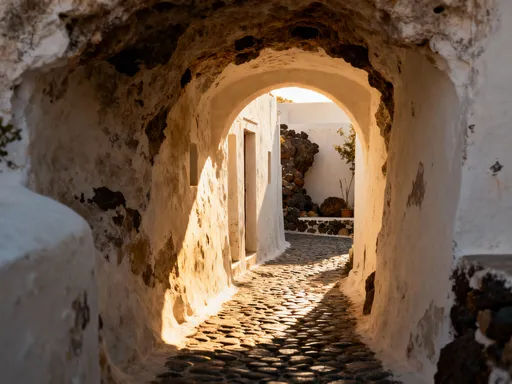
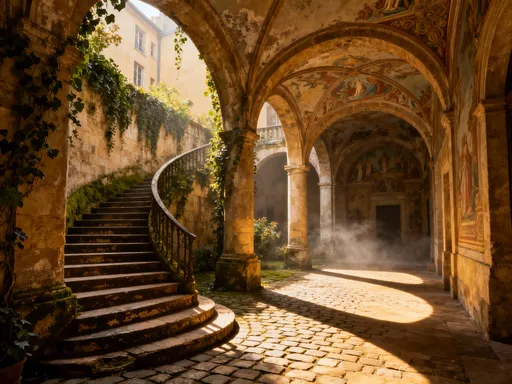
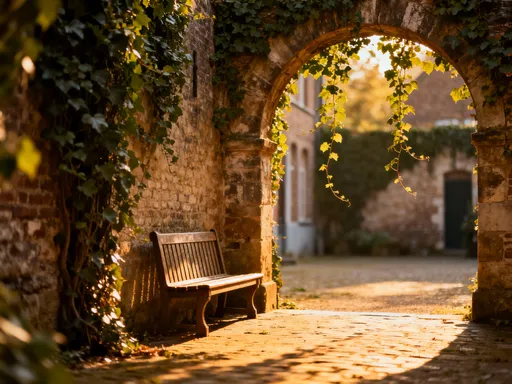
Walking through the city’s narrow, cobbled streets, one senses a deep continuity between the past and present. The Roman Temple of Diana still stands at the heart of town, its Corinthian columns untouched by time. Nearby, the Capela dos Ossos reminds visitors of mortality with its walls lined with human bones—a stark contrast to the life-affirming food culture that thrives outside its doors. In Évora, history is not preserved behind glass; it is lived, eaten, and celebrated daily. The terrain, too, is not just scenery—it is an active participant in the creation of flavor, a silent architect of taste.
The Secret Ingredient: How Évora’s Soil and Climate Shape Flavor
The concept of terroir—how environment influences taste—is often associated with wine, but in Évora, it applies to nearly every ingredient. The region’s unique geography creates conditions that intensify flavor in unexpected ways. The Alentejo has one of the lowest rainfall levels in Portugal, with most precipitation occurring in winter. Summers are long, dry, and intensely sunny, forcing plants to conserve water and concentrate their sugars and aromatic compounds. The soil, rich in limestone and schist, is shallow and well-draining, which means roots must grow deep to find moisture. This struggle produces smaller yields, but with far greater complexity in taste.
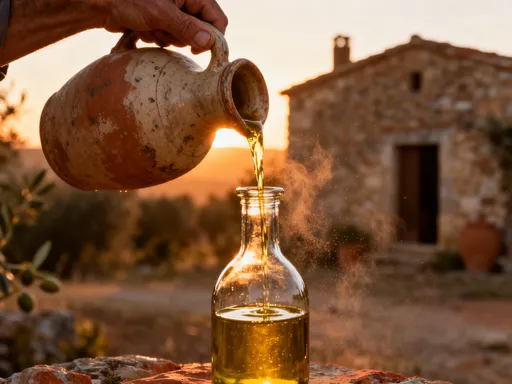
For instance, olive trees in Évora grow slowly, their roots weaving through rocky crevices. The resulting olives are smaller than those in more fertile regions, but their oil is richer, with a peppery finish and a grassy aroma that reflects the wild herbs growing nearby. Similarly, grapevines planted in these soils produce fewer clusters, but each grape bursts with concentrated flavor—ideal for the bold, tannic reds the region is known for. Even wheat grown here develops a nuttier, more robust character, influencing the texture and taste of traditional breads like pão alentejano.
But terroir extends beyond plants. Livestock, too, are shaped by the land. Sheep graze on pastures laced with thyme, lavender, and rockrose, and their milk carries subtle floral notes. Pigs roam the montado forests, feeding on acorns that impart a distinctive nuttiness to their meat. The terrain doesn’t just provide resources; it imprints itself on every bite. This is not industrial agriculture, where conditions are controlled and uniform. In Évora, farming is a collaboration with nature, where the land sets the terms, and the farmers adapt. The result is food that tastes of place—not just in a poetic sense, but in a measurable, sensory one.
Cheese That Tells a Story: The Magic of São Jorge and Local Sheep’s Milk Varieties
One of the most profound expressions of Évora’s terroir can be found in its cheese. While the famous São Jorge cheese actually comes from the Azores, the Alentejo produces its own remarkable sheep’s milk cheeses, often aged in natural limestone caves that maintain cool, humid conditions year-round. These caves, carved into the hillsides, function as natural aging chambers, where wheels of cheese develop complex flavors over months or even years. The microclimate inside—stable temperature, high humidity, and native molds—contributes to a rind that is firm yet aromatic, and a paste that ranges from creamy to crumbly, depending on age.
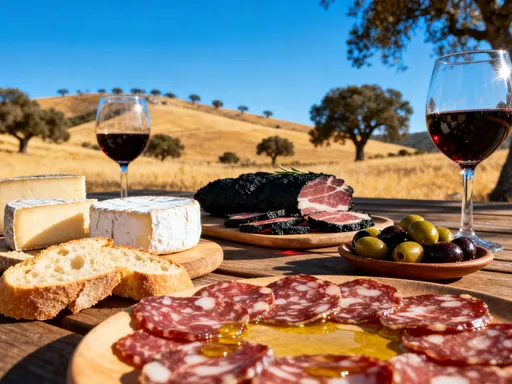
The flavor of these cheeses is deeply tied to the diet of the sheep. Unlike animals fed on silage or grain, Évora’s sheep graze freely on native pastures rich in aromatic herbs. Thyme, in particular, plays a crucial role, infusing the milk with a warm, earthy note that intensifies during aging. A young cheese might taste mild and milky, with hints of fresh grass, while an aged version can be sharp, tangy, and almost spicy, with a lingering finish that evokes sunbaked soil and wildflowers. Each batch is slightly different, reflecting the season, the rainfall, and the specific pastures the flock has grazed.
A visit to a small family-run dairy outside Évora offers a glimpse into this artisanal process. Here, cheesemaking is still done by hand, using methods passed down for generations. Milk is collected at dawn, gently warmed, and coagulated with natural rennet. The curds are cut, drained, and pressed into molds before being salted and moved to the caves. The cheesemaker, often a woman whose family has worked the land for decades, speaks of the seasons with reverence. She knows which pastures yield the sweetest grass, which caves produce the best mold, and how a dry spring affects the texture of the cheese. This is not just production; it is stewardship. The terrain shapes the cheese, but the people preserve the tradition, ensuring that each wheel tells the story of its origin.
Porco Preto: When Pigs Roam Free on Cork Oak Forests
No discussion of Évora’s food would be complete without mentioning porco preto—the legendary black Iberian pig that roams the montado, a unique agroforestry system that covers much of southern Portugal. The montado is more than a forest; it is a carefully balanced ecosystem where cork oaks and holm oaks provide shade, acorns, and habitat for wildlife, while allowing space for grazing animals. During the montanheira season, from October to February, pigs are released into these woodlands to feed on fallen acorns, known locally as bolotas. This diet, combined with constant movement across uneven terrain, gives the meat its distinctive marbling and rich, nutty flavor.
The terrain plays a critical role in this process. The open, undulating landscape allows pigs to forage freely, building muscle and developing fat with a high concentration of oleic acid—the same heart-healthy compound found in olive oil. The acorns themselves are shaped by the soil and climate; those from limestone-rich areas tend to be sweeter and more aromatic, further enhancing the flavor of the meat. After slaughter, the hams are cured for up to three years in natural cellars, where temperature and humidity fluctuate with the seasons, allowing flavors to deepen gradually.
Tasting presunto ibérico from Évora is an experience in contrasts. The first bite reveals a silky texture, almost buttery, with fat that melts at room temperature. Then comes the flavor—deep, savory, with notes of toasted nuts, dried fruit, and a faint smokiness. There is no rush of salt, as in some cured meats; instead, the seasoning is subtle, allowing the natural taste of the pork and acorns to shine. This is not just ham; it is a distillation of the montado, a product of land, animal, and time. To eat it is to participate in a centuries-old tradition of sustainable farming, where every element—from tree to pig to climate—works in harmony.
Wine From Stone: Vineyards Carved Into the Alentejo Hills
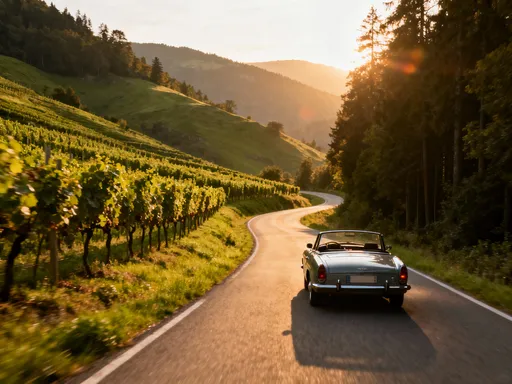
If cheese and ham express the land through animal husbandry, wine does so through viticulture. The vineyards surrounding Évora are planted on slopes where the soil is so rocky that tractors often cannot pass. Vines grow in shallow pockets of earth, their roots snaking through limestone and schist, searching for moisture. This struggle limits yield but maximizes concentration. The result is red wine with deep color, firm tannins, and a complex profile that includes dark berries, licorice, and a mineral undertone reminiscent of wet stone.
Many of the region’s wineries are family-run, with winemakers who prioritize minimal intervention. They avoid irrigation, allowing the vines to rely entirely on rainfall, and they limit the use of chemicals, trusting the natural balance of the ecosystem. Harvest is done by hand, often in the cool hours before dawn, to preserve the integrity of the grapes. Fermentation takes place in temperature-controlled tanks, but aging frequently occurs in large oak vats or concrete eggs, which allow slow oxygenation without overwhelming the wine with oak flavor.
A tour of one such estate reveals the deep connection between terrain and technique. The winemaker explains how elevation affects temperature—higher vineyards stay cooler, preserving acidity, while lower ones produce riper, more alcoholic wines. Drainage is another critical factor; the rocky soil prevents waterlogging, reducing the risk of disease and encouraging deep root development. Even sun exposure is carefully managed—rows are oriented to maximize morning light while minimizing afternoon heat. Every decision, from planting to bottling, is influenced by the land. The wines, in turn, reflect this care. A reserva red from Évora might age for 18 months, developing layers of flavor that unfold slowly in the glass. It is not a wine for quick consumption, but for contemplation—each sip a reminder of sun, soil, and stewardship.
From Market to Table: Tasting the Terrain in Everyday Dishes
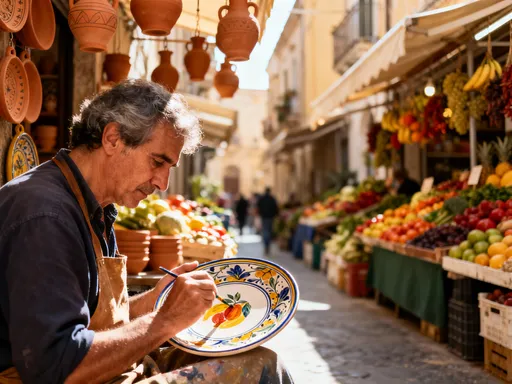
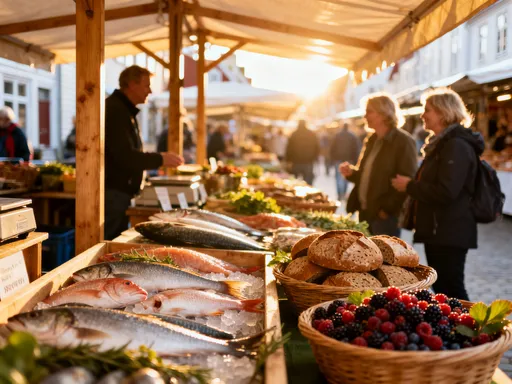
The true test of Évora’s culinary identity lies not in specialty products, but in everyday meals. At the city’s weekly farmers market, the connection between land and plate becomes visible. Stalls overflow with honey the color of amber, thick and floral from bees that forage on wild herbs. Olives, dark and wrinkled, are sold by the kilo, their briny taste shaped by the same limestone soil that flavors the wine. Sweet potatoes, small and earthy, are a regional staple, as are coriander, garlic, and almonds—all ingredients that thrive in the dry, sunny climate.
Traditional dishes make full use of these ingredients. Açorda, a rustic bread soup, begins with stale pão alentejano soaked in garlic-infused broth, then topped with poached eggs and cilantro. The bread, dense and slightly sour, absorbs the liquid without dissolving, creating a hearty, comforting dish that relies on texture as much as flavor. Migas, another local favorite, combines breadcrumbs with olive oil, garlic, and often bits of presunto or fried sausage. It may sound simple, but the quality of the ingredients elevates it—each bite carries the richness of cured pork and the fruitiness of local oil.
One evening, a home-cooked meal in a rural village illustrates how terrain shapes even the most humble dishes. A stew of rabbit and tomatoes simmers slowly, the meat tender from hours of cooking, the sauce deepened with a splash of red wine and a handful of wild herbs. The potatoes, grown in nearby fields, hold their shape and offer a nutty sweetness. A salad of lettuce, onions, and olives is dressed with nothing more than olive oil and vinegar—yet it tastes vibrant, almost electric, a testament to freshness and terroir. Dessert is a slice of sericaia, a baked custard made with eggs, milk, and lemon zest, its simplicity allowing the quality of the ingredients to shine. This is not gourmet cuisine in the modern sense, but it is deeply satisfying—a meal that feels honest, rooted, and true.
Why This Matters: The Bigger Picture of Place-Based Eating
Évora offers more than a delicious meal; it offers a philosophy of eating. In an age of globalized food systems, where flavor is often standardized and seasons blurred by imports, Évora reminds us that food can be deeply local, shaped by the unique conditions of a specific place. This is not nostalgia, but sustainability. The montado, for example, is not just a source of presunto; it is a carbon sink, a habitat for endangered species like the Iberian lynx, and a model of low-impact agriculture. By supporting such systems, consumers help preserve both biodiversity and cultural heritage.
Travelers, too, have a role to play. Choosing destinations where food is tied to the land encourages responsible tourism. It shifts focus from sightseeing alone to sensory engagement—tasting, smelling, touching the environment. It fosters appreciation for the work of farmers, cheesemakers, and winemakers who maintain traditions in the face of industrial pressures. And it deepens the travel experience, transforming a meal into a story, a landscape into a teacher.
More broadly, Évora challenges the notion that convenience should dictate our diets. The foods here are not fast or uniform; they are slow, variable, and alive with character. They require patience, attention, and a willingness to embrace imperfection. But in return, they offer something rare: authenticity. To eat in Évora is to taste the earth, not as a backdrop, but as a partner in creation. It is to understand that flavor is not just a product of recipe, but of relationship—between people, animals, plants, and the land that sustains them all.
Évora doesn’t just serve food—it reveals a story written in soil, sun, and centuries of tradition. Every bite here is a taste of terrain, a reminder that the best meals aren’t just made, they’re grown, shaped, and perfected by the land itself. When you eat in Évora, you don’t just feed your body—you connect with a place in its truest form. And in that connection, there is nourishment far deeper than calories. It is the kind of sustenance that stays with you long after the plate is empty, a quiet echo of a landscape that speaks through flavor, and a call to seek out, wherever you are, the taste of true origin.